By Marc S. Sanders
Zack Snyder may have been indulging in too many cookies from the jar when he made Batman v Superman: Dawn Of Justice. I can not deny how ambitious this film is, but did it ever need to be this ambitious? There are too many storylines, too many characters, and not enough thought provoking dialogue to really make any sense of the gobblety gook that’s splattered all over the screen.
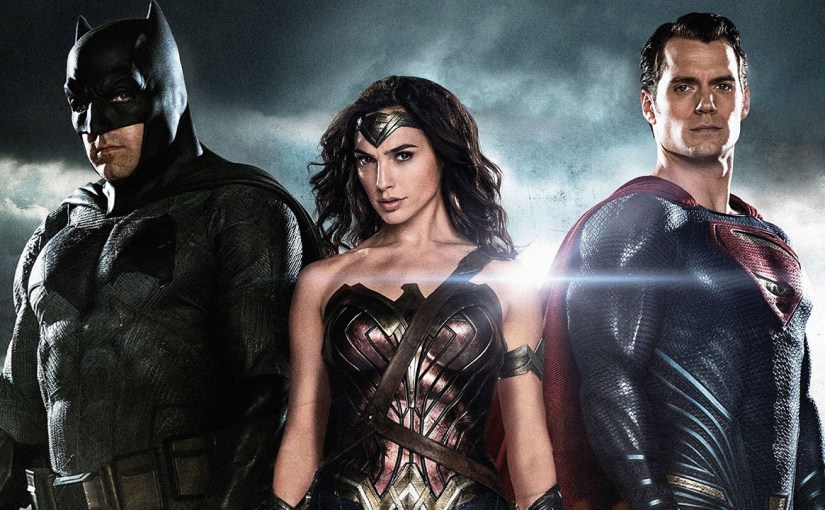
Reader, my favorite super hero of all time is Batman. Nearly any variation of Batman (including moments from the dreadful Joel Schumacher films) contains an element that I just love about the character. Ben Affleck is cast as The Dark Knight here. He’s fine in the role. I knew since he had done Daredevil, that he could pull off this part. He might be too long in the tooth, and too busy an actor/director, for a new series of super hero films, but I digress. That being said, the movies have gone into overkill on the Batman character. It’s time the Gotham crusader hide in his cave for a little while and let some of the other super heroes out to play. Snyder’s film proves my theory. After all, the true highlight is neither title character in this movie.
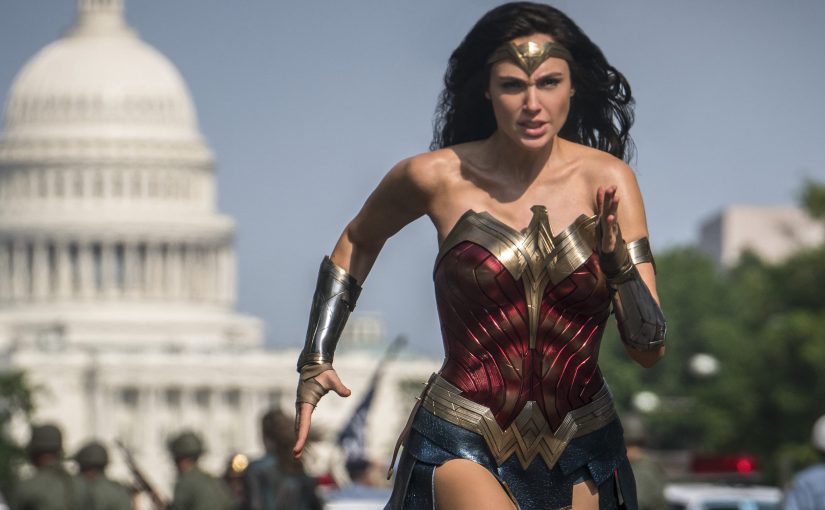
Actually Wonder Woman (Gal Godot) making her big screen debut is the draw above anything else here. Even that is problematic, though. I’ve seen this film twice now. Can anyone tell me why Wonder Woman aka Diana Prince even makes an appearance in this film? From a story perspective, what justifies Diana creeping into this film, other than to plaster her picture on DVD covers and merchandise a new action figure?
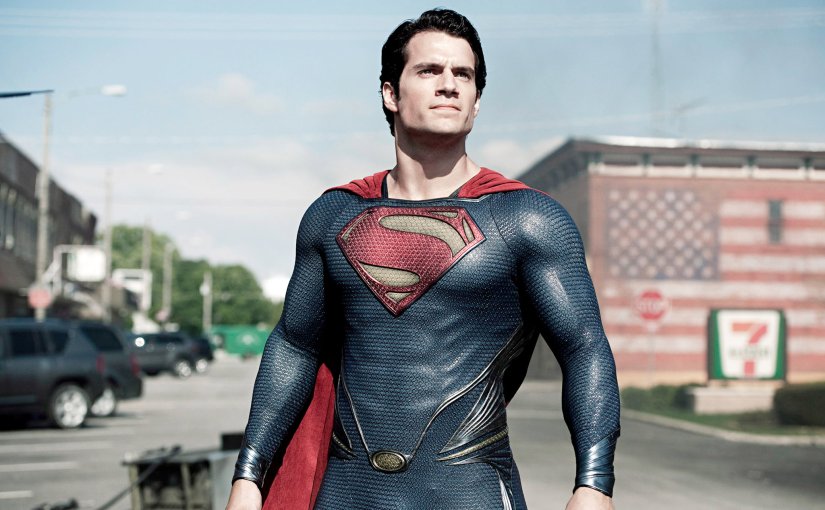
Events begin right after Snyder’s stellar Superman film, Man Of Steel. An older and experienced Bruce Wayne is dubious of the benefits that Superman (Henry Cavill) can serve on Earth. After all, his bout with the Krypton villain, General Zod, practically leveled Metropolis. Heaven forbid if one day this powerful alien with the red cape goes out of control. Bruce, as well as politicians led by Holly Hunter, ask a wise question. Who on earth could ever stop him? So Bruce, with assistance from Alfred (Jeremy Irons playing the well known sidekick more as a strategist, than a polite butler) begin preparing for a seemingly inevitable battle to eliminate the Kryptonian.
Meanwhile, a young, brainy Lex Luthor (Jesse Eisenberg) is planning for his own undoing of both of these super heroes by living up to the film’s title; pitting the Bat of Gotham against the God of Metropolis; mano y mano. Like most iterations, Luthor plays with defying the odds of nature. In this case, he is experimenting with a green element sourced from Krypton which we all know is Kryptonite, as well as extracting blood from the corpse of Zod to create his own monster movie. That last part feels like a side gig for the supposedly genius villain.
In addition, a mysteriously exotic and beautiful woman is turning up on various occasions. Somehow, only Bruce seems to take notice of her. Why? I don’t know. There’s really no purpose for him to scope out this person amid a sea of other extras attending a Luthor gala.
There’s also Lois Lane (Amy Adams) and Martha Kent (Diane Lane). There’s a retread of Bruce Wayne’s origin story that we’ve seen countless times before. There’s a bitter and disabled former employee of Wayne Enterprises. There’s a dream sequence showing vague plague like foreshadowing to come. There’s an arms dealer/terrorist sequence in the desert for Lois to investigate, and another figure for Bruce to track. There’s the eventual gladiator battle between the two heroes, and then there’s another battle thereafter for the two guys to team up with the the woman who carries a magic lasso to defeat a Doomsday monster; likely rejected sketches from the Harry Potter and Star Wars franchises. Oh yeah. There’s also some teaser material for what’s yet to come in the DC cinematic universe.
Do you see where I am going with all of this? There’s just too much stuff here. Eventually it all gets tedious. A laundry list of storylines with little to no connection with one another feels burdensome. I wish the screenwriters, Chris Terrio and David S Goyer, finished writing a script before starting another script. As lengthy as all of these stories feel, they also seem unfinished, and, I can’t understand why.
Forgive me. It’s easy to compare the DC Comics film adaptations to the Marvel Comics films that Disney now owns. The latter franchise seems well structured and outlined. The former franchise helmed by Snyder seems rushed to catch up to everything that Marvel has already accomplished. If the intent was to have a huge franchise of films, then why smash all of your material together in one sitting?
That gets back to my viewpoint on Batman. Why Batman, all over again? Snyder and the producers really aced it with the casting of Gal Godot. She is Wonder Woman. Snyder also struck gold on Man Of Steel with Cavill as Superman. I wanted more exploration of that guy. So why make this a Superman and Batman film? We’ve seen enough Batman through the last thirty years. Let’s give someone else a chance. Much could have been accomplished had this installment been a Superman and Wonder Woman team up with maybe a teaser ending of a new Batman yet to come. This Batman shows me nothing I hadn’t already seen. There’s a new car and gadgets and cables to swing from. It’s all been done before. Lemme see some of what this Wonder Woman can do. As well, if Wonder Woman is here, then tell me why she is here. Again, she just comes out of nowhere and never explains why she’s there. My wife and daughter tried to explain it to me. Apparently, she wants to acquire a photograph of her with her war comrades from the first World War, and Lex Luthor is in possession of it. Really? That’s it? She just needs to get a sentimental photograph back? By the way, why does Lex have this photo, and how did she know he has it anyway?
Good stories always answer questions with more questions until it’s eventually tied off at the end. Moments in Batman v Superman: Dawn Of Justice seem to begin in the middle of their stories with questions that did not answer questions that likely came before, and by the end of the picture, there’s no ending or answers in sight.
I had already reviewed Wonder Woman, and in that column I specifically noted that DC films with Warner Bros always seems to come close, but never gets it completely right. This film boasts an impressive cast, and all are good in their respective roles. My approach to this Lex Luthor from Eisenberg might have been different if I were in charge; make him more like a Steve Jobs kinda guy rather than a slight variation of the actor’s other famous role as Mark Zuckerberg. Still, it’s not good enough and it’s hardly forgivable for what the filmmakers churned out with this picture. The writers have an infinite wealth of source material to select from. Pick up a comic book, guys!!!! They have the funds and opportunity to divide up the best moments of these outstanding characters for the next ten years of film installments. Nevertheless, they don’t take the time to think strategically, and flesh out the environments and the characters that inhabit these settings.
Batman v Superman: Dawn Of Justice is just a sloppy mountain of peas, carrots, corn and green beans, with lumpy mashed potatoes and covered in lots of over seasoned gravy.